
ABOUT LIFE BEYOND APHASIA
You didn't expect this to be your life.
A stroke after a routine knee surgery. A husband who came home from the hospital in a wheelchair, saying words that didn't make sense, the same ones over and over. His wife drove him to every appointment. Sat in every waiting room. Fielded every phone call. And told everyone she was fine.
Nobody thought to ask if she really was.
Nobody thought to ask what her life felt like now. Not the diagnosis. Not the deficits. Her actual life. And whether she could picture getting any of it back.
The hospital didn't ask. Rehab didn't ask. And for most of my 32-year career as a speech-language pathologist, I didn't ask either. I had been trained, like everyone else in this field, to treat the diagnosis and move the client onto the next level of rehab.
That all changed in the fall of 2020.
OUR STORY
In the fall of 2020, I lost my mentor suddenly. Within 24 hours of receiving the news, I was sitting at his desk, in another state, meeting his clients for the first time. They had no idea what came next, and neither did I.
I wasn't okay that day. I was grieving, and doing my best to hold a session together while my whole professional world had just shifted.
And that's when I met them.
Glen had gone in for routine knee surgery and came out with aphasia. He was discharged from the hospital unable to communicate. Unable to say even the simplest things to his wife, Dee. She was doing all she could to support her husband, but they were lost.
They looked at me on that first call and saw that I was struggling too. So instead of holding it together the way families always do in clinical settings, they told me the truth.
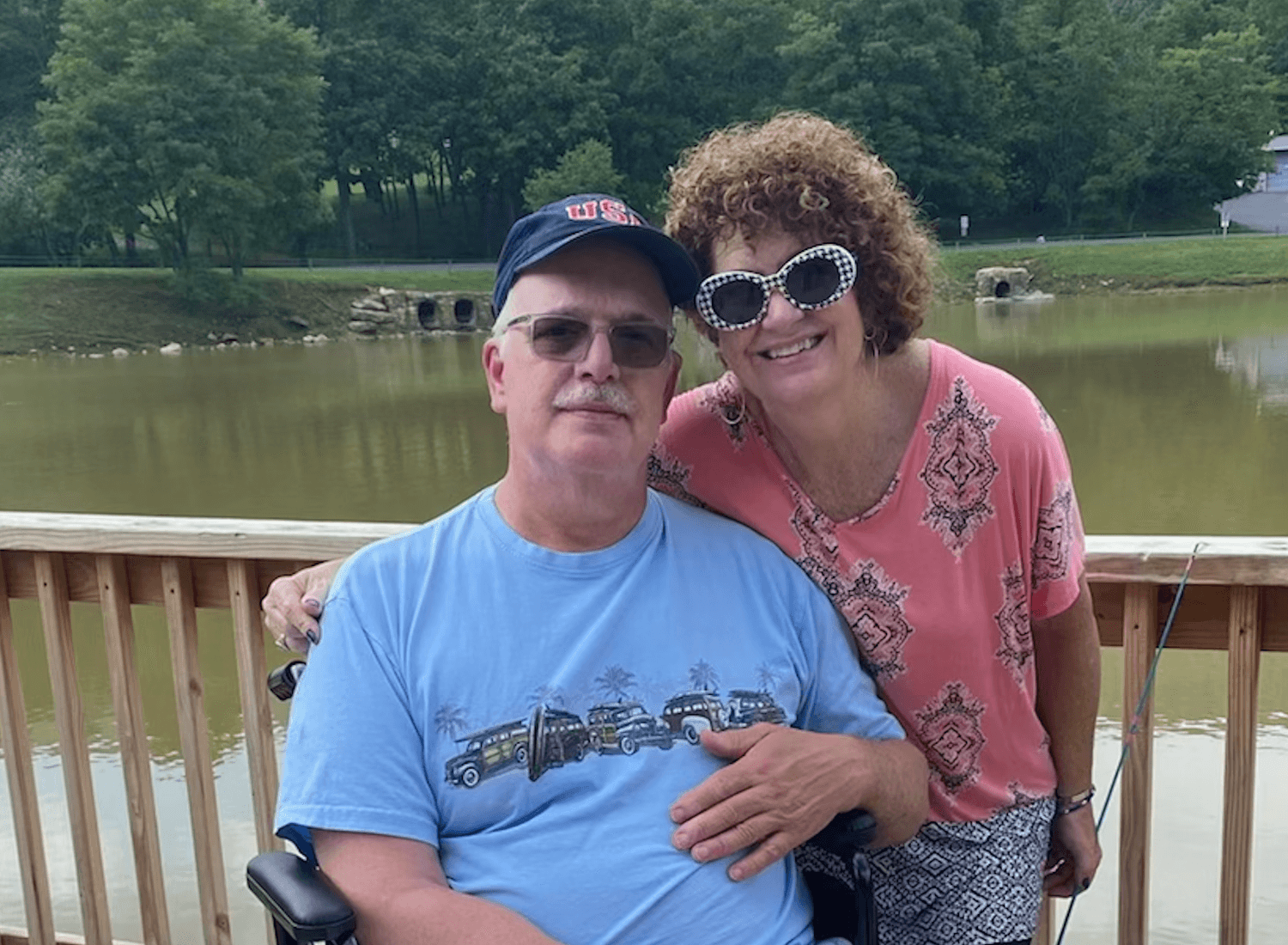
Their exhaustion. Their loneliness. Their grief of losing a relationship while it's still right in front of you. They had never said any of it out loud before, because no one had ever made it feel safe to say.
I had worked with hundreds of families before that day, and not one of them had ever told me this. They had been carrying it the whole time, and nobody (including myself) had ever thought to ask.
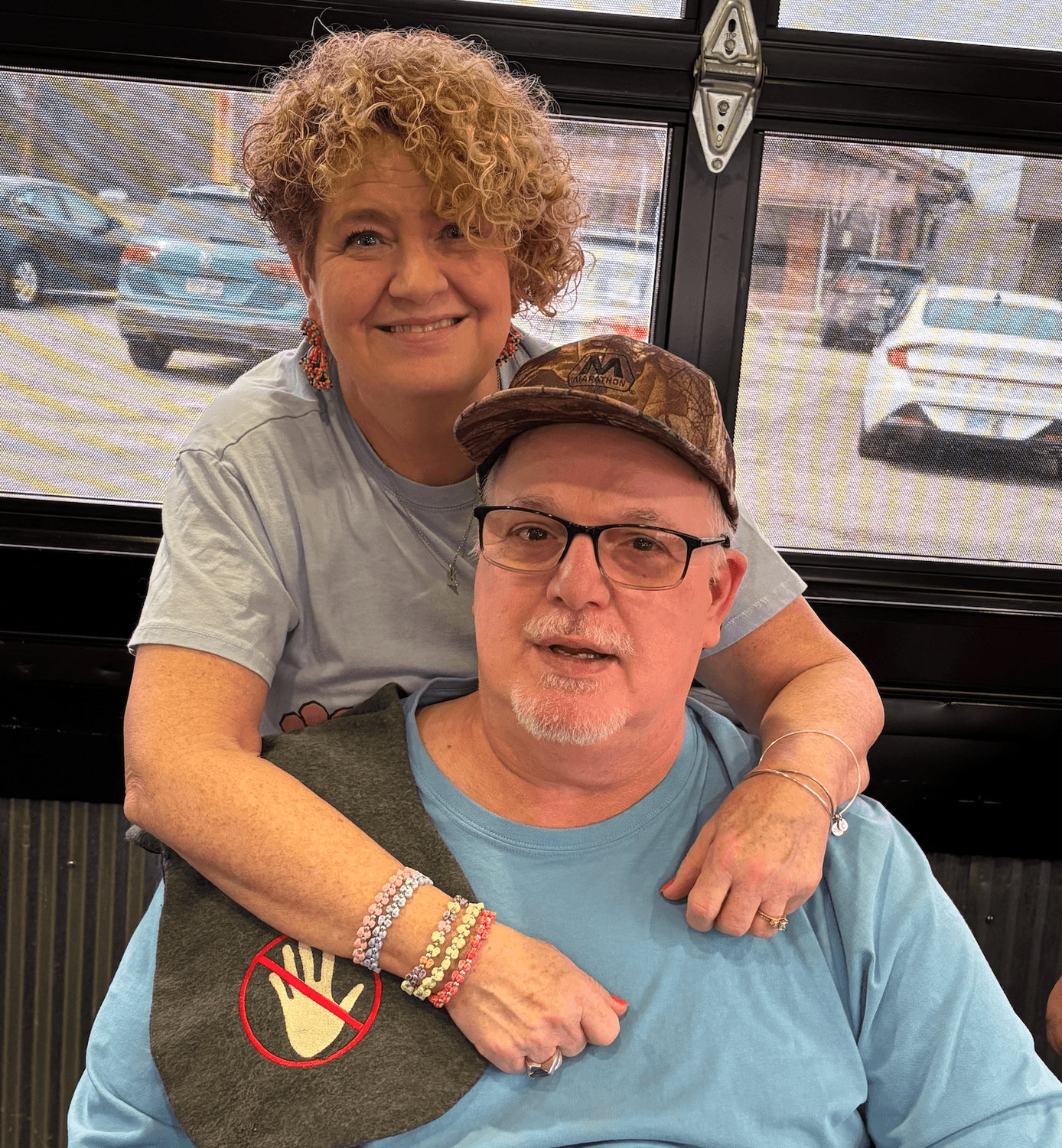
After that day, I saw it everywhere. I kept watching care partners get left behind.
Their husband came home from rehab with a diagnosis, a home program, and no real roadmap. The system followed the patient out the door. Nobody followed her.
She was burning out. Losing the communication and connection that held the relationship together. Nobody was asking how she was doing or helping her figure out how to live in a house that aphasia had changed.
So I built something for her.
OUR MISSION
LIFE Beyond Aphasia exists for the care partner in the room nobody sees.
The one who held everything together through the hospital, through rehab, through every hard conversation she had to have alone. We exist for the moment after the system lets go and she is left to figure out what comes next on her own.
This is not a resource library. This is a complete support ecosystem, built on one belief: you cannot pour from an empty cup, and you were never supposed to do this alone.
THE TEAM
Recovery takes a village.
These are the people who walk beside you.
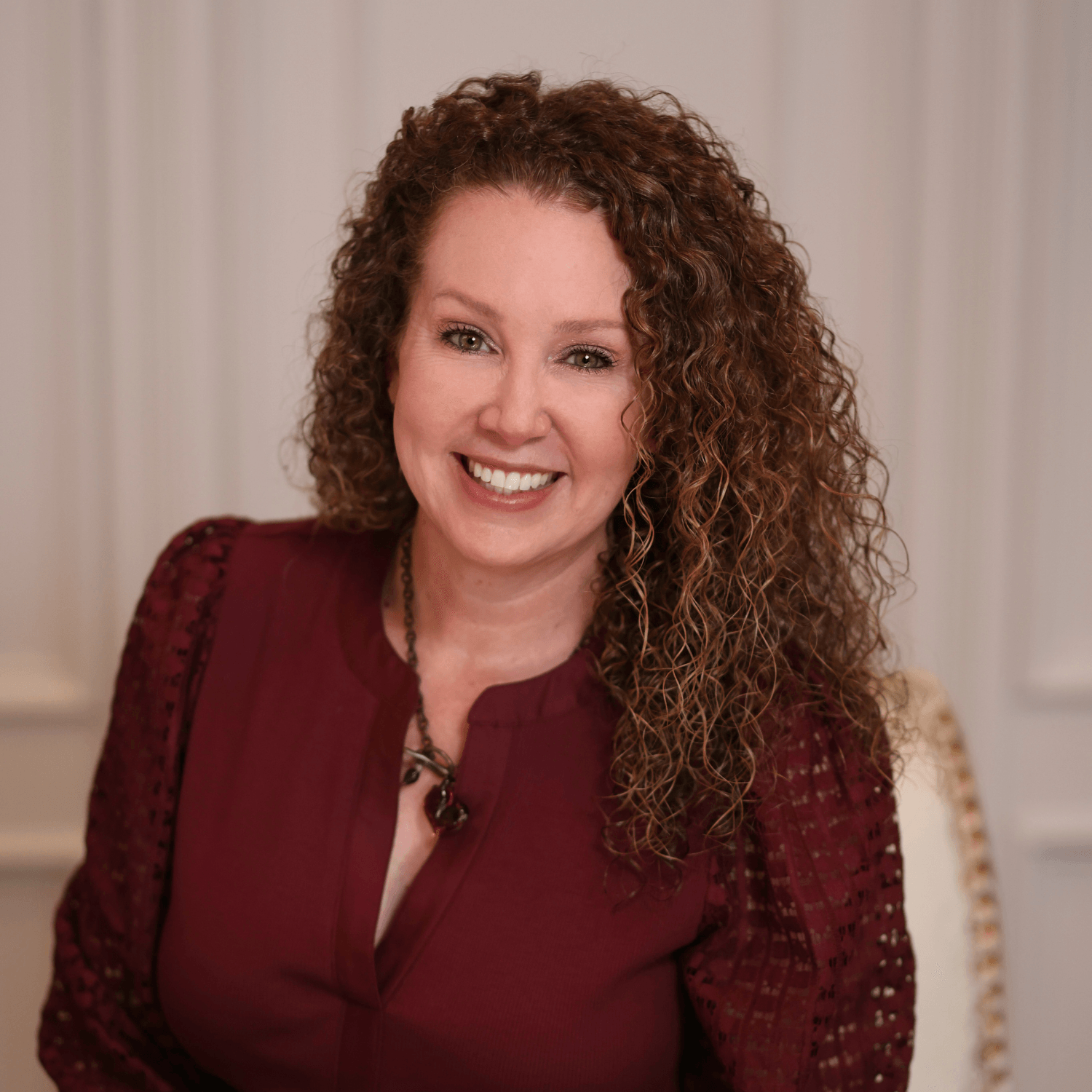
Genevieve Richardson, MS, CCC-SLP
Founder of LIFE Speech Pathology + LIFE Beyond Aphasia, Clinical Specialist, Care Partner Coach
Genevieve Richardson is a speech-language pathologist with 32 years in practice, the last 15 spent exclusively in the chronic phase with aphasia survivors and care partners who are ready to do more than survive. She built LIFE because she kept watching families leave rehab without a roadmap for what came next.
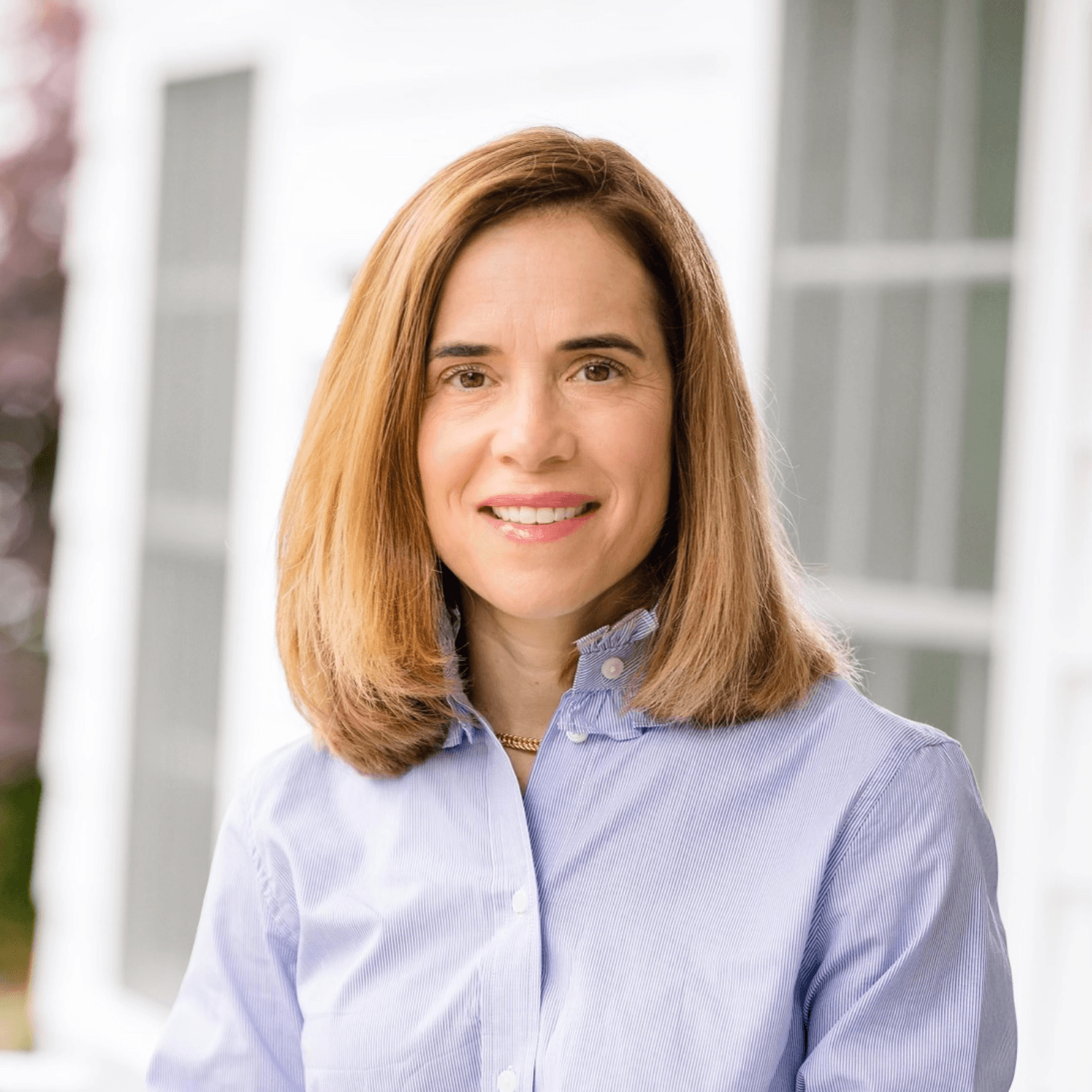
Mary Beth Hines, MS, CCC-SLP
Clinical Specialist, LIFE Speech Pathology
Mary Beth came to speech pathology as a second career. She chose it deliberately, specifically to work with adults. That choice says everything about who she is as a clinician. She is compassionate, steady, and deeply committed to helping adults and families navigate the complexities of aphasia. She did not land here by accident. She came because she felt the mission.
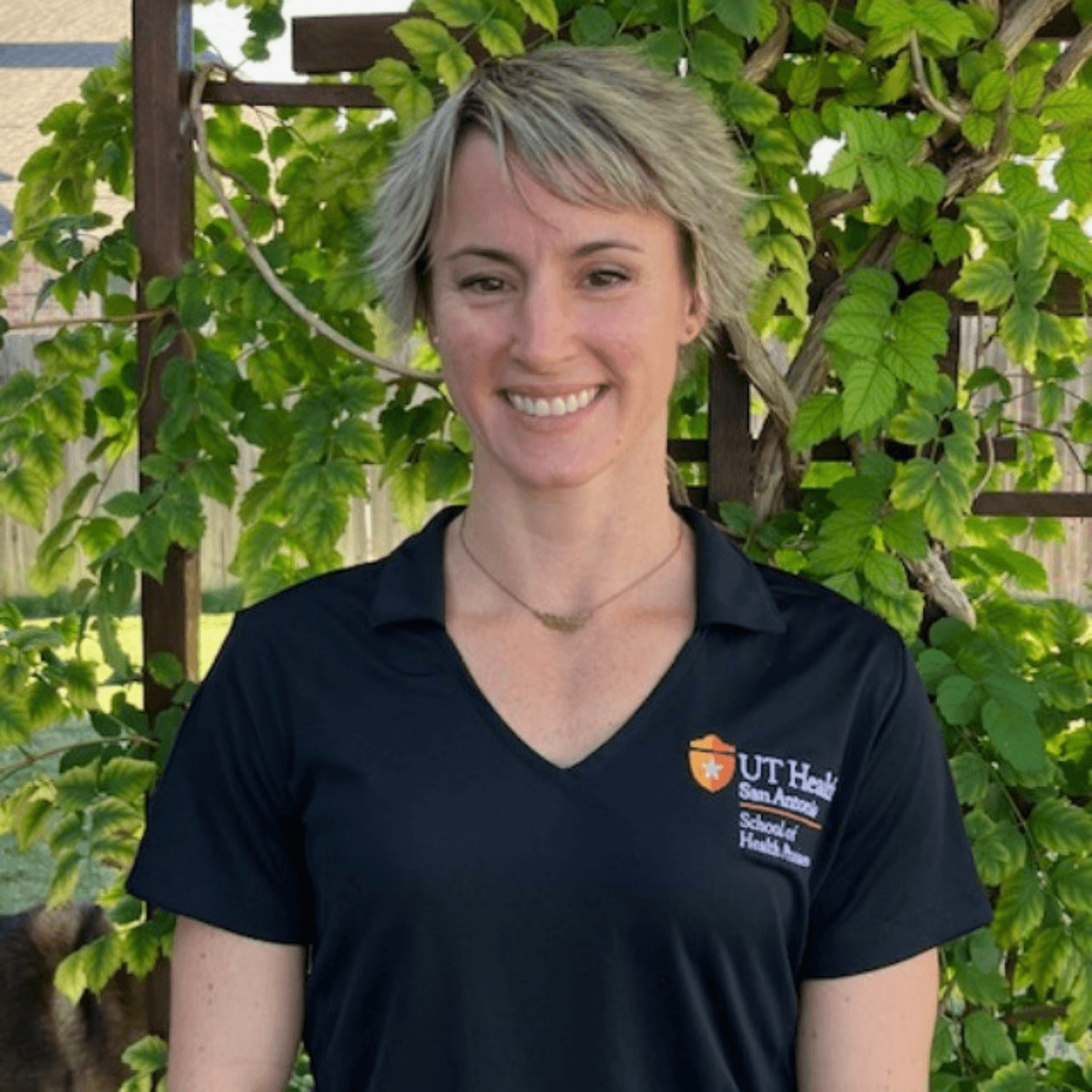
Gina Baxter, MS, CCC-SLP
Clinical Specialist, LIFE Speech Pathology
Gina also came to speech pathology as a second career. Her grandmother inspired her to do this work. She arrived knowing exactly where she wanted to be: working with adults, walking alongside families, and being part of something bigger than a caseload. She joined LIFE because she believed in what it stands for. That shows in every session.
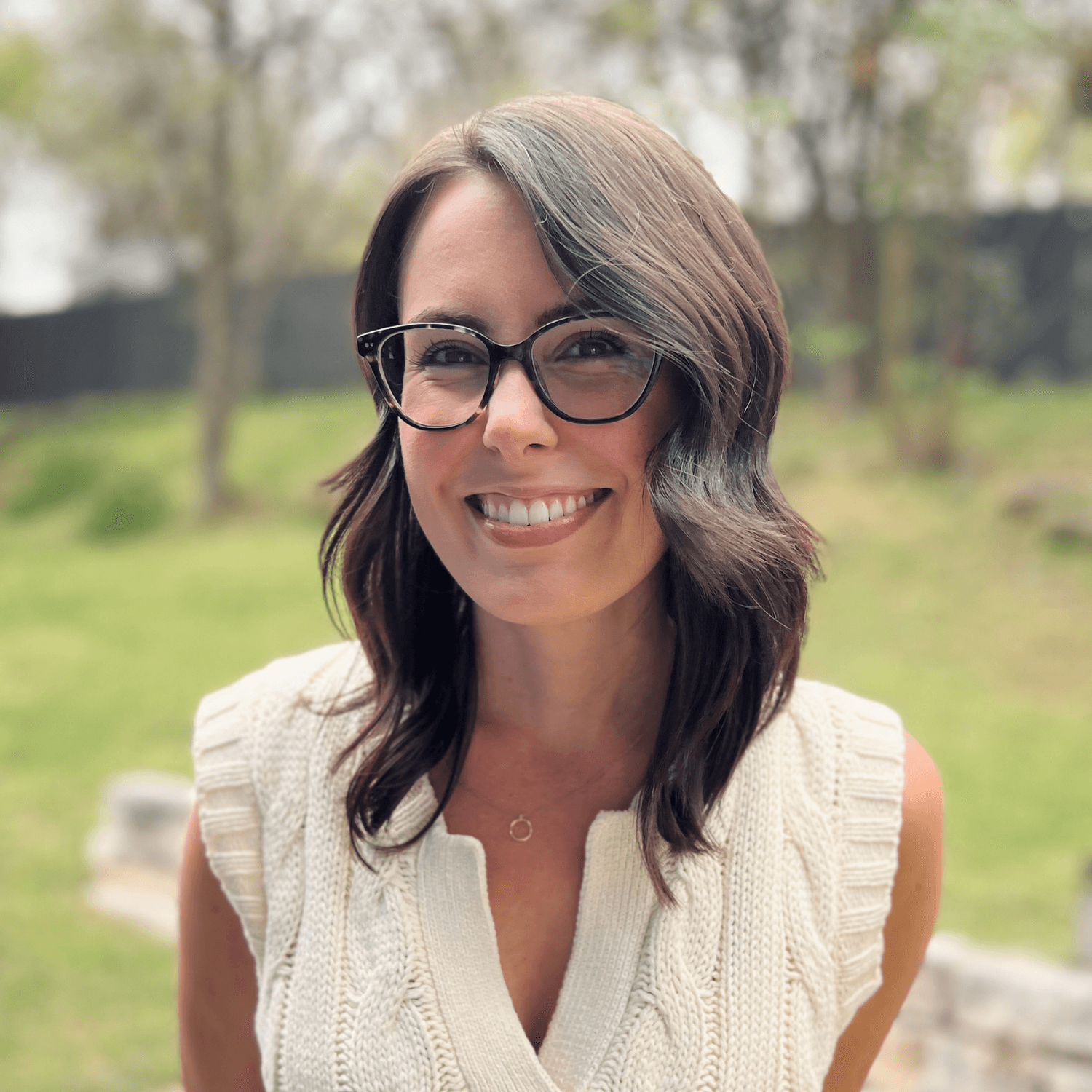
Stephanie Yates
Director of Strategic Operations
Stephanie has a background in nursing and a gift for building systems that let everyone around her do their best work. She found her way to LIFE through a trusted colleague in the dementia care space and has been part of this team for nearly three years. She oversees operations, social media, and outreach and keeps all of us moving forward together toward the mission. Because of her, the work gets done and families never feel lost in the process.

Autumn Stokes
Communication Coordinator
Autumn has a personal connection to aphasia that makes her more than a team member. She understands what families are living with because she has lived alongside it herself. She edits and refines every piece of communication we produce, manages our Facebook communities, and leads the Care Partner Collective week to week. When care partners show up looking for someone who gets it, Autumn is often the first person they find. She makes sure this community actually feels like one.
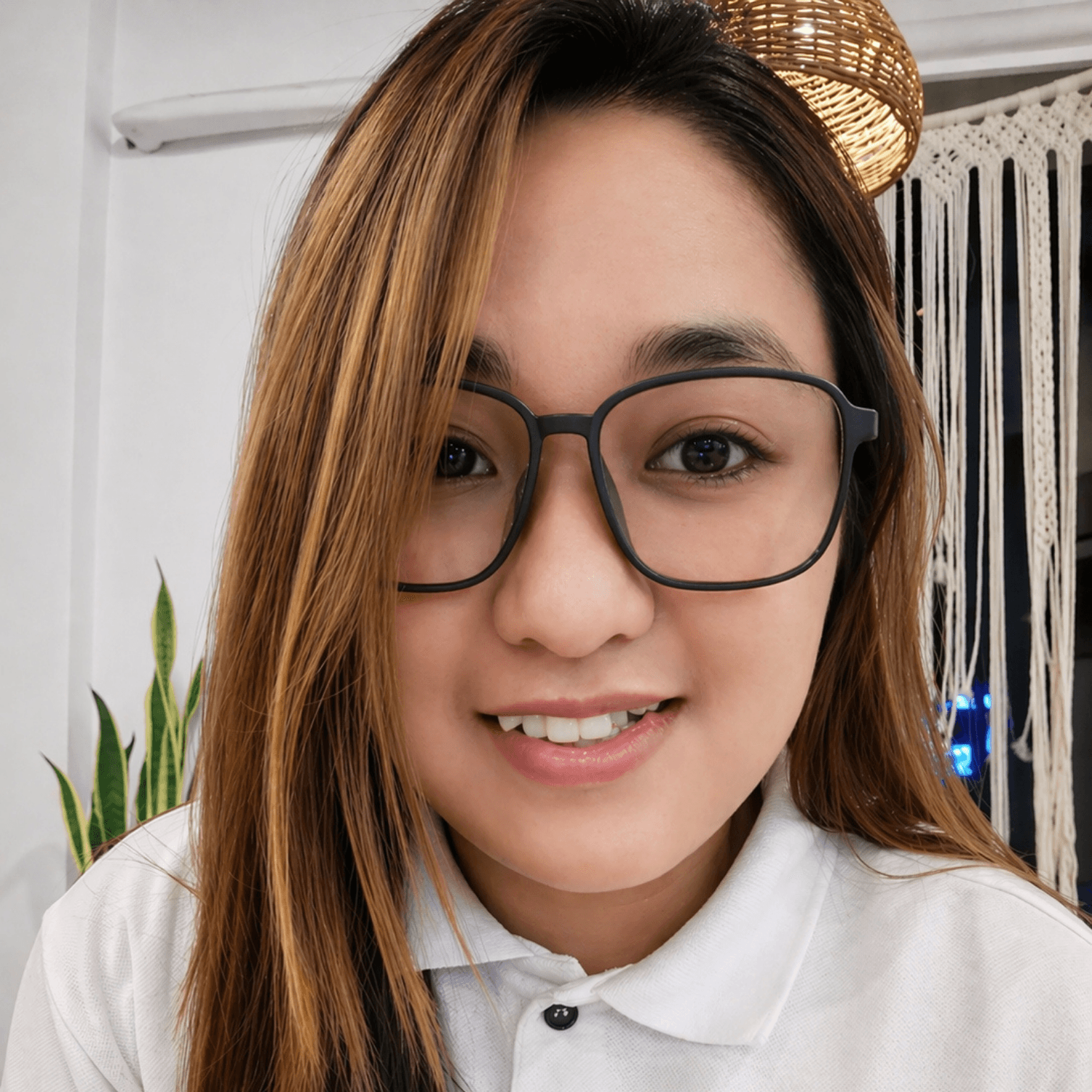
Issa Dizon
SEO and Outreach Strategist
Issa works at the level most people never see, making sure the right families find LIFE when they need it most. Her expertise in SEO and digital strategy is how this mission reaches beyond the people who already know we exist. This is not just a speech therapy practice. It is a movement, and Issa is the one making sure that message travels.
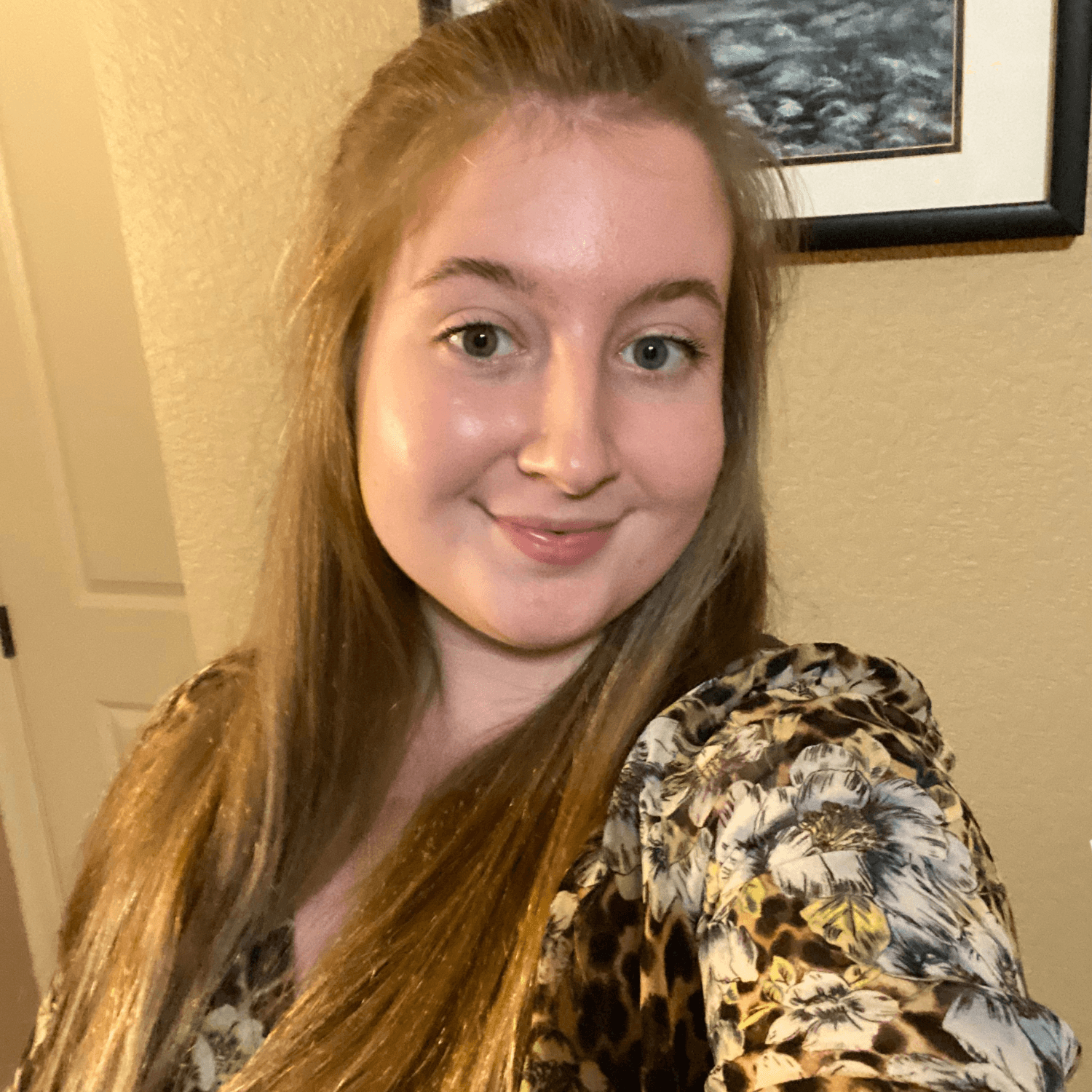
Lana Richardson
Podcast Production Manager
Lana manages production of the Life Beyond Aphasia YouTube channel and podcast, shaping nearly 200 episodes so that families receive clear, usable guidance they can apply right away. She is the reason our message reaches people who have never heard of LIFE but needed it all along.
HOW WE SUPPORT YOU
This is not a traditional speech therapy practice.
This is a structured ecosystem built around what you actually need.
01
The Care Partner Compass
A free 15-minute assessment that looks at nine areas of care partner experience and shows you exactly where you are right now. Not where you think you should be. Where you actually are. It is the beginning of understanding what your path forward looks like.
02
The Foundation Series
A free email training that gives you the foundational tools most care partners are never given. How to communicate when communication is hard. How to stop carrying what was never yours to carry. How to stay in the relationship without losing yourself in the role.
03
The Care Partner Collective
The membership built specifically for spouses of people with aphasia. Monthly coaching with Genevieve. Real strategies for communication, boundaries, and connection. A community of people who know exactly what your mornings feel like. A structured roadmap, not a support group.
This is where the work happens.
04
The Life Beyond Aphasia Podcast and YouTube Channel
Over 200 episodes of honest, practical guidance for care partners. Free. Searchable by topic. The place care partners find us when they are up at 2am and finally looking for something real.
FAQ
Common questions Care Partners ask.
Aphasia caregiver support is available through LIFE Beyond Aphasia, a structured program built specifically for spouses and family members living alongside someone with aphasia. Most care partners receive no support of their own after a stroke. They are given instructions for their spouse's recovery but no roadmap for their own. The Care Partner Collective provides monthly coaching with a speech-language pathologist, practical communication strategies, and a community of care partners who understand what daily life looks like. It is not a support group. It is a structured monthly program with a clear roadmap, designed to help care partners move from survival mode to something that feels sustainable again.
Caring for a spouse with aphasia after stroke requires a completely different skill set than anyone prepares you for. The most important shift is understanding that aphasia is a language disorder, not a cognitive one. Your spouse likely understands far more than they can express. Learning supported conversation techniques, setting up low-pressure communication routines, and knowing when to step back rather than rescue are skills that make daily life significantly easier. These are not things speech therapy teaches the care partner directly. LIFE Beyond Aphasia provides aphasia-specific training for spouses, including communication strategies you can use at home, starting today.
Yes. Caregiver burnout among aphasia care partners is not just common, it is expected when someone is carrying this level of responsibility without structure or support. Research consistently shows that care partners of stroke survivors with aphasia experience higher rates of depression, anxiety, and social isolation than the stroke survivors themselves. Burnout is not a character flaw. It is what happens when one person is asked to carry too much, for too long, without a roadmap. If you are exhausted in a way that sleep does not fix, that is burnout. Structured support, not more advice, is what changes it.
Yes. Speech therapy is for your spouse. This is for you.
Speech therapy addresses the language and communication impairments caused by aphasia. It does not address what it is like to live in a house where communication has changed, how to manage your own exhaustion and grief, or how to maintain a real relationship inside a caregiving role. The Care Partner Collective fills the gap that speech therapy does not cover. The two are not in competition. Most members are actively involved in their spouse's speech therapy and still find that the Collective addresses something entirely different.
It can, but it does not have to. The relationship strain that aphasia care partners describe is not caused by the aphasia itself. It is caused by the silence, the misread signals, the isolation, and the loss of the communication that used to hold the relationship together. When care partners learn what is actually happening in their spouse's brain and get tools to communicate differently, the relationship changes. Many couples in the LIFE Beyond Aphasia community describe getting closer after the stroke than they were before, once they had support for both of them.
No. Most care partners who join the Care Partner Collective are not sure it will help. They arrive skeptical, exhausted, and honestly not expecting much. What changes is not the situation. It is the way you understand it and move through it. You do not need hope. You do not need time. You just need to be willing to try one thing. The Care Partner Compass is free, it takes 15 minutes, and it shows you exactly where you are and what your next step is. That is the only place you need to start.
It is not too late. Care partner support for aphasia is not only for those who are newly navigating a stroke. Members of the Care Partner Collective range from a few months into the experience to more than a decade in. Burnout, grief, and relationship disconnection do not have an expiration date, and neither does recovery from them. Wherever you are in this, there is a next step forward. The roadmap inside the Collective meets you where you are, not where you think you should be by now.
YOUR NEXT STEP
Find out where you're strong.
Find out where you are right now.
Before we ever meet, I want to understand what you are carrying. The Care Partner Compass looks at nine areas of your experience and gives you a clear picture of where you are and what comes next. It takes about 15 minutes.
This is for the person beside someone with aphasia who is done pretending she is fine.
Already taken the Compass? Schedule a Connection Call.